The TEA-ROOM
SOTOROJI #0
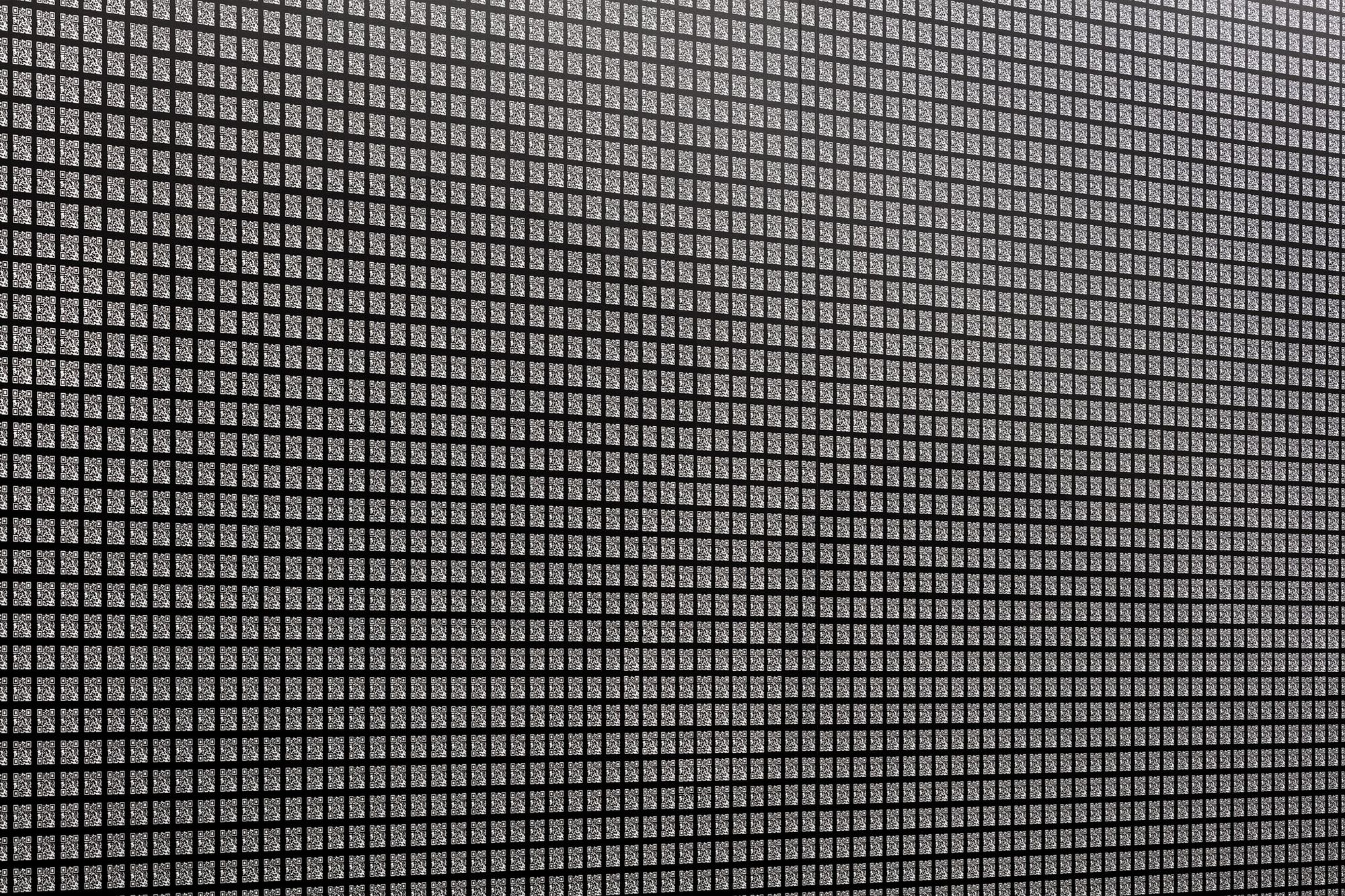
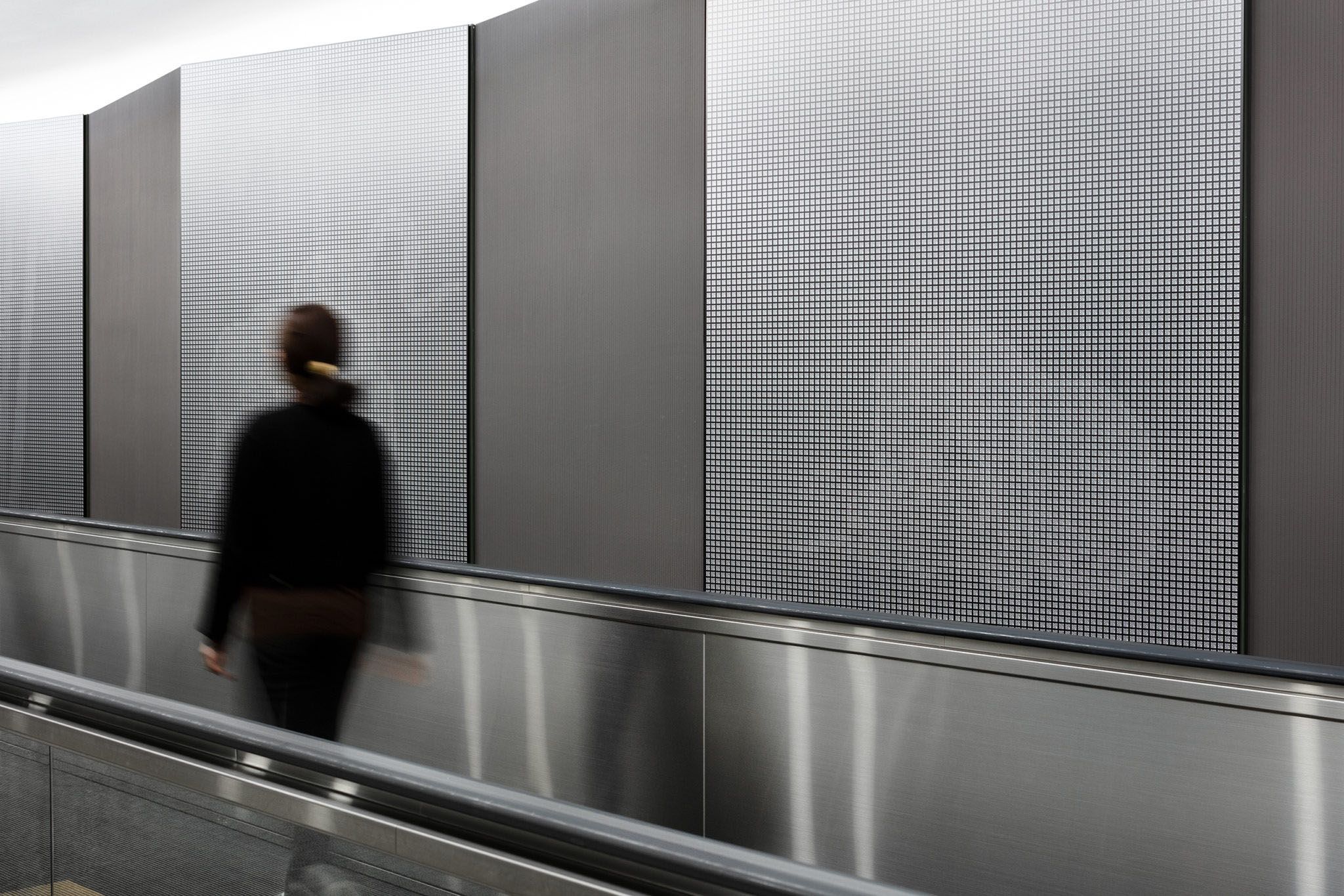
Up close: more than 120,000 QR codes. Step back, and the sliding-screen paintings of Nagoya Castle’s former Hommaru Palace come into view.
In chanoyu (the Japanese tea ceremony), the soto-roji, or outer garden, is the first space through which guests pass on their way towards the inner garden and the tea room. Its arrangement of garden, objects, gestures and rituals helps them brush away the ‘dust of the everyday’. These elements function as a shared spiritual protocol: a culturally learned set of signs and actions through which participants enter another mode of perception.
The SOTOROJI series reinterprets this mechanism through the QR code, a protocol shared by contemporary life. On seeing one, people need little instruction before reaching for a smartphone and pointing its camera. A secular sign that provides access to information and mediates payment is turned into an entrance from the everyday into another world.
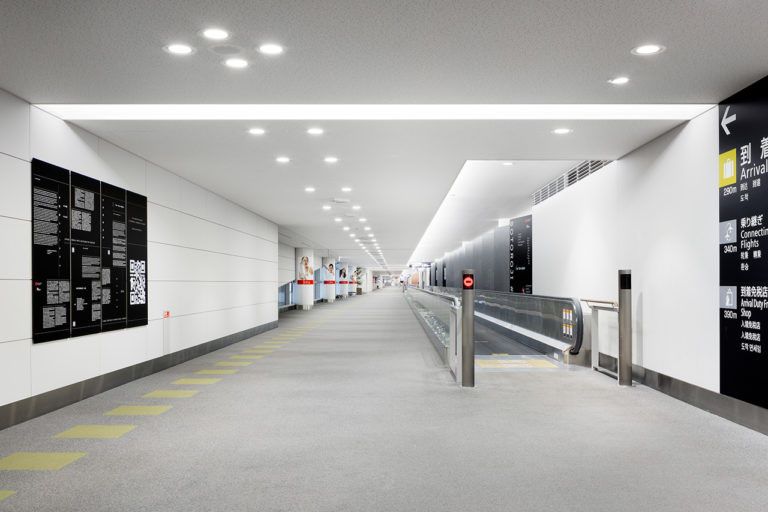
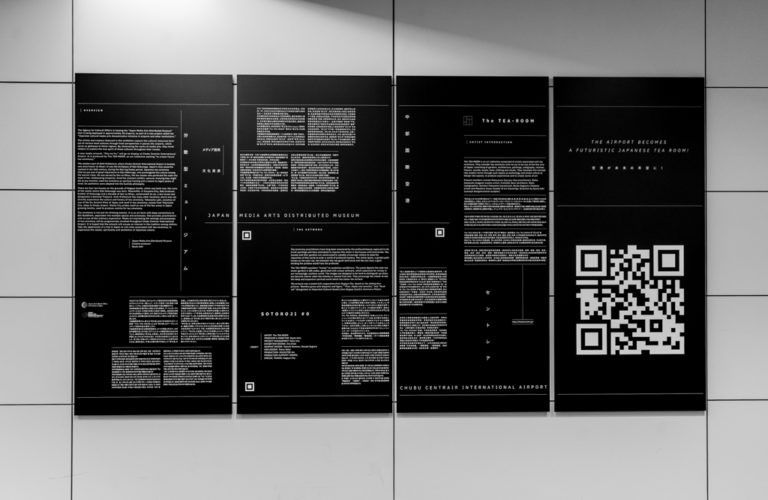
SOTOROJI #0 treats the international arrivals concourse at Chubu Centrair International Airport as an outer garden. Twelve panels extend along more than 36 metres of the passage. Across them, more than 120,000 QR codes of varying sizes render three sets of sliding-screen paintings from Nagoya Castle’s former Hommaru Palace, designated Important Cultural Properties: Chikurin Hyōko-zu (Bamboo Grove, Leopards and Tigers), Maki Kaede Tsubaki-zu and Jakōneko-zu. Up close, they appear as an accumulation of codes; from a distance, differences in their scale bring the paintings into view. Each code leads to a webpage concerning the spirituality of chanoyu. The installation remained at the airport for one year.
The work was conceived at a time when the mass purchasing of goods by visitors from China was widely described in the Japanese media as bakugai, or ‘explosive buying’. Its subject is not the individual traveller, but the gaze—and the infrastructure of tourism and media—that presents Japan primarily as a destination for consumption. Stepping back from the codes reveals cultural and spiritual layers embedded in chanoyu and the sliding-screen paintings. By imagining the airport as a tea room and the arrivals concourse as its outer garden, the work turns the act of arrival into a passage towards another way of seeing.